
Horseback Riding Terminology
From: Equestrian and Horse
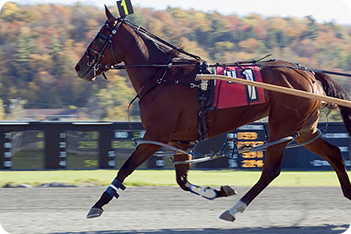
Horseback Riding Terminology
- Aids
The Aids are the way the rider communicates to their horse what they would like them to do. Their are natural aids and artificial aids. Natural aids are the riders hand, back, seat, legs, voice and weight distribution. The artificial aids are the whip and spurs.- More About Rider Aids
- Above The Bit
A horse is above the bit when its head is carried too high and is not in an outline or working through with its back or hindquarters.- More About Horse Training
- Against The Hand
This term is used when the horse leans on the riders hand because it is not sufficiently working through from behind.- More About Rider Aids
- Balance
A horse is in balance when it is able to maintain its center of gravity with its weight distributed in such a way that it can carry itself and the rider with ease whilst remaining on the bit, this can only be achieved when the horse lowers its croup and engages its hindquarters well underneath it allowing for a light forehand and freedom of movement.- More About Dressage
- Bascule
This is the natural curve that a horse will make while jumping. During the bascule the horse will raise up through its wither, with the wither being the highest point and will tuck its forelegs up in front while stretching out through its back and with its neck lowered when in mid suspension, to form a curve or arc when in mid air over the jump.- More About Jumping
- Behind The Bit
A horse is said to be behind the bit when its poll over bends and the horses chin and nose comes behind the vertical. - Broke Early
This is the term used when a horses gait becomes interrupted with another, for example if the horse breaks from canter to trot without being asked.- More About Horse Training
- Cadence
This is when the horse has great energy and impulsion and can maintain rhythm, balance and tempo effortlessly and with elegance.- More About Dressage
- Canter
Canter is a three time gait in which the horse has a moment of suspension between each stride. The canter itself can be either right lead or left lead. Types of canter include working canter, collected canter, medium canter, counter canter and extended canter. - Circle
This is a school movement in which a continuous curve is maintained, The most common size circles ridden are the 10, 15 and 20 m circle.- More About Horseback Riding A Circle
- Collection
During collection the horses gait will be shortened and raised whilst maintaining freedom of movement and engagement of the hindquarters and lightness of the forehand. Collection can occur in Walk, trot and canter and the horses gait should free, elastic and forward.- More About Dressage Training
- Contact
The contact is the light feel along the rein that the rider has that runs from the bit in the horses mouth to the riders hand. The contact allows communication through the rein to occur. The contact should never be dropped but should remain light at all times.- More About Rider Aids and Horseback Riding
- Counter Canter
During counter canter the horse is in one canter lead and travels in the opposite direction. An example would be if your horse was in left lead canter and was asked to circle to the right whilst remaining in left lead canter then the circle to the right would be in counter canter. During counter canter the horse should remain bent a little into the direction of the true canter in this case to the left and remain in rhythm and balance.- More About Counter Canter
- Diagonal
The diagonal can refer to a school movement for example riding from the marker H to the marker B would be called a short diagonal.
The diagonal can also refer to the rider sitting and rising in time with the horses correct pair of legs in rising trot.- More About Riding Flatwork
- Direct Rein
This refers to a rein aid that when used will apply pressure directly along the rein to the bit.- More About Rein Aids
- Dishing
This is a conformation fault where the horse turns its lower leg in an circular outward direction instead of a forward one.- More About Horse Anatomy
- Disunited
A horse that has become disunited has broken the gait that it was in and caused the footfalls to become incorrect.- More About Gaits
- Dressage
Dressage is a method of training horses. Dressage training is used to maximise a horse's natural athletic ability and potential to be able to perform various movements effortlessly under a skilled rider's minimal aids whilst working on the bit and remaining relaxed.- More About Dressage| Competitions
- More About Dressage| Competitions
- Extended Gait
An extended gait is one where the horse fully stretches its frame to take longer strides while remaining fully engaged behind with a well rounded back, on the bit and light on its forehand. The horses legs will be seen to stretch out in front with great power and elegance to the greatest degree possible. Horses can extend their walk, trot and canter.- More About Gaits | Extended Trot
- Falling In Or Out
When the horse falls in or out it has collapsed through its shoulder into that direction. For example if a horse falls out whilst on a turn it has tried to make the turn too large, the rider will need to check their aids are correct and be ready with more outside leg and rein.- More About Rider Aids And Horse Training
- Figure Of Eight
A figure of eight is a school movement that requires the horse to perform circles on both reins, a half circle is ridden on one rein followed by a change direction when it reaches the top of the half circle, then ride a full circle in the opposite direction and when you reach the middle again change the rein to rejoin the original half circle.- More About School Movements
- Footfalls
This is the term given to describe in what sequence the horse puts its legs in during different gaits. For example left lead canter the footfalls would be as follows: off hind followed be near hind and off fore followed by the near fore.- More About The Horses Gaits
- Free Walk
The free walk is used to allow the horse to stretch down through its neck and back after being ridden. If the horse has been properly worked it will be be only too happy to do this and will stretch long and low whilst maintaining a purposeful walk with active steps.- More About The Gaits
- Grinding Teeth
Horses that grind their teeth often do so out of anxiety, anger or pain. Check that your horses teeth are well maintained and that the bit fits correctly. If the horse is anxious then ensure that your horse is understanding the basic principles and they will then become confident with what you are trying to do.- More About Dressage Training
- Half Circle
The half circle is a dressage movement in which a continuous curve is maintained in the shape of a semi circle on a pre determined size. An excellent exercise is to ride a 10m half circle in one corner of the school and then have it return to the track to change the rein. For example ride a half circle at H that returns to the track at K.- More About Training Exercises
- Half Halt
This is a form of collection and preparation aid that asks the horse to bring its hindquarters more underneath it and lighten the forehand, maintain rhythm and balance in preparation for a movement to come.- More About The Half Halt
- More About The Half Halt
- Half Pass
The half halt is a lateral movement where the horse is bent to the inside and moves across in a forwards and sideways movement with the forehand slightly in front of the hindquarters.- More About Half Pass
- Hollowing
This is when the horses outline has failed to remain round due to the horse not working correctly through its body and accepting the riders aids. The horses head will be high and the back will appear to be slightly dipped in the middle.- More About Horse Training
- Impulsion
This is the controlled energy that is generated through the hindquarters and allows for engagement of the hindquarters to occur, the horse will maintain rhythm, suppleness and balance. - Indirect Rein
An indirect rein aid is where the inside rein applies direct pressure onto the bit combined with the rein being brought in an inwards direction toward the horses neck.- More About Rider Aids
- Inside Track
This is a path that runs approximately 2 feet in from the outside track. The inner track is often used when passing another horse going in the opposite direction, on the left rein horse and riders always pass each other left hand to left hand.- More About Horse Riding Exercises
- Irregular Footfalls
This is often when the horse loses its balance and falls onto its forehand instead of engaging from behind.- More About Horse Training
- Jogging
This is when the horse breaks out of the walk gait into trot. Horses often start jogging out of inpatients to go forwards jogging should not be encouraged and the horse should be asked to return to walk.- More About Horse Training
- Leg Yield
This is a lateral movement where the horse moves forwards at the same time crossing over its front and hind legs as it goes.- More About Leg Yield
- Loops
A loop is a school movement which curves from one rein to another and back again. They are most commonly used when riding serpentines but can also be ridden up the long side of the school.- More About School Movements
- Loose Rein
This is when the horse is given a long rein through which to stretch down to relax.- More About Horse Training
- Lower Leg
The riders lower leg is the part of the leg below the knee. The rider should have the very inside of their lower leg closest to the horse with their heels down and toes pointing forwards.- More About Riders Position
- Medium Canter
This is the gait that is between the working canter and the extended canter. The horse will take longer steps than in the working canter with more energy and lift with each stride whist still remaining on the bit and balanced.- More About Canter
- Medium Trot
During medium trot which is the pace between working trot and extended trot the horse remains on the bit, balanced and freely working forward with slightly longer strides than in the working trot but not as fully lengthened as with the extended. - Moment Of Suspension
This is the moment that the horses leg or legs are in the air during a gait. An example would be during working canter when the horse has finished off the three beat sequence of footfalls there is a moment of suspension when all four of the horses legs are in the air before the next stride and sequence of footfalls begins again.- More About Horse Gaits
- Near fore
This refers to the horses front left leg.- More About Equine Anatomy
- Nearside
This refers to the horses left hand side of their body- More About Equine Anatomy
- Offside
This refers to the horses right hand side of their body.- More About Equine Anatomy
- Off fore
This refers to the horses right front leg.
- More About Equine Anatomy
- On The Bit
A horse is said to be on the bit when it is working correctly with its head and neck raised and arched with the poll as the highest point according to the stage of training with the front of the face on or just in front of the vertical. - On The Forehand
A horse that is on the forehand is not sufficiently using there hindquarters to engage behind and will therefore have more weight in front than behind. The horse will be unbalanced and to the rider the horse will feel heavy in the hand as if the horse is pulling them forwards. - Open Rein
An open rein is used with the inside rein and is where the rein is brought out away from the horses neck when direct pressure is applied through the rein, an open rein can be used to clearly show a young horse where you would like it to go.- More About Rider Aids
- Outline
This is the shape that the horse is working in. If the horse is working correctly the horses shape will be round and not hollow with the poll the highest point and the neck curved and the front of the horses face on or just in front of the vertical, the hindquarters should be engaged well underneath the horses body and the horse should be freely moving with active paces.- More About Dressage Training
- Outside Track
This is a path that goes around the outside edge of the whole school.- More About School Movements
- Pacing
When in trot a horse is in the pace gait when instead of trotting with diagonal pairs of legs, both legs on the same side are brought forwards together as the opposite side goes back. - Passage
This is a highly engaged, cadenced and collected dressage movement where the horse has an elevated trot with an increased moment of suspension in between strides.- More About Passage
- Piaffe
This is a highly collected, cadenced and elevated dressage movement where the horse appears to trot on the spot.- More About the Piaffe
- Pirouette
During a Full Pirouette the horse will collect and engage behind in order to turn around on its hindquarters which form a small circle in the centre with the forelegs forming a larger circle around the edge of the circle.- More About the Pirouette
- Quarters Swinging
This is the term used when describing that the horses hindquarters have moved off to one side causing the horse to no longer be straight due to loss of engagement.- More About Horse Training
- Resistance
This is when the horse has failed to understand or is reluctant to perform a movement that it is being asked to perform, this can either be due to physical discomfort, lack of understanding or incorrect rider aids. - Rhythm
Rhythm refers to the regularity of the footfalls which should be maintained at all times. - Rushing
When a horse is rushing they have often failed to remain engaged behind and have simply quickened there pace instead of staying in rhythm and balance. - Serpentine
This is a school movement where the horse performs an even number of loops back and forth across the school. In order to change the rein a serpentine needs to be made up of four evenly spaced loops.- More About School Movements
- Shoulder In
This is a dressage movement where the horse is bent to the inside and moves on three tracks in rhythm and balance.- More About Shoulder In
- Square Halt
A square halt is one where the horse is not only straight but has also engaged sufficiently behind in order to bring both hind legs together so that they are side by side and also both forelegs giving the picture of a very tidy and well presented halt. - Tempi Changes
When the horse performs a series of flying changes in a row with four or less strides in between each one they are called tempi changes. Tempi changes are called either four time, three time, two time or one time changes, with one time being the ultimate due to the fact that horse and rider go straight from one canter lead straight to the other with no canter strides in between giving the appearance that the horse is skipping.- More About Tempi Changes
- Tilting
A horse is tilting when its head tips to an angle on one side making one ear higher than the other. Horses that tilt are often evading a contact with the bit or are not sufficiently working through with one of the hind legs. - Track Right
To track right is to turn right so that the horses new inside rein will be the right. - Tracking Up
When a horse is tracking up the hoof print of the hind foot will either be on or in front of the track left be the print of the front hoof. - Travers
Travers is a dressage movement where the horse is bent around the riders inside leg and brings its hindquarters in to the inside so that it is on three tracks and moving forwards in a straight line.- More About Travers
- Transition
A transition is a change of gait or a change within a gait, for example you can have a transition from trot to walk and you can also have a transition from working trot to medium trot. - Trot
This is a two time gait where the horse moves its legs in diagonal pairs.
- More About The Trot
- Upper Body
The riders upper body refers to the central core, the shoulders, back, head and neck.- More About Riders Position
- Volte
This is the name given to a circle that is between 6 and 10 m. - Walk
This is is a four beat gait and is the slowest of the gaits. The sequence of footfalls is near hind followed by near fore, off hind followed by off fore.- More About the Walk
- Warm Up
This is when the horse is ridden to loosen it up and ensure that it is freely moving, engaged behind and attentive to the riders aids in preparation for the task ahead, for example you would need to warm your horse up before you jumped it. - Working Trot
During working trot the horse takes active even steps.- More About The Trot
- Wrong Bend
This is when the horses head and neck are not bent into the correct direction, the bend required by the horse will vary according to the movement being performed.- More About Horse Training

Equestrian and Horse • The Equestrian • The Horse 'Equus' • Equestrian News • Horse Tack • Horse Care
Equestrian Clothing • Horse Riding • Horse Worming • Horse Training • Horse Bits • Riding Holidays
Horse Shows • Horse Videos • Riders • Equine Art • Books • Directory • Site Map • Contact Us
© 2012 Equestrian and Horse
